
10 Dubai Mega Projects That Could Make It the World’s Best City to Live, Work and Invest

Dubai has never built its future one project at a time. It builds in systems: aviation linked to real estate, mobility linked to productivity, events linked to tourism, and quality of life linked to long-term investment.
That is what makes the emirate different. Its biggest projects are rarely isolated developments. They are usually part of a broader strategy to make the city more connected, more globally competitive and more attractive to talent and capital at the same time.

First phase around 2030
Estimated traffic: 260 million passengers a year
If one project defines Dubai’s next era, it is the expansion of Al Maktoum International Airport. Approved in 2024, the new passenger terminal carries a stated investment of AED128 billion and is ultimately designed to handle 260 million passengers a year, positioning it to become the world’s largest airport by capacity when fully developed.
This is much bigger than an aviation upgrade. It is an economic engine designed to reinforce Dubai’s role as a global hub for business travel, tourism, trade and logistics. Airports at this scale do not just move passengers; they shape urban growth, job creation, commercial activity and real estate demand across entire regions of a city.
Planned completion: 9 September 2029
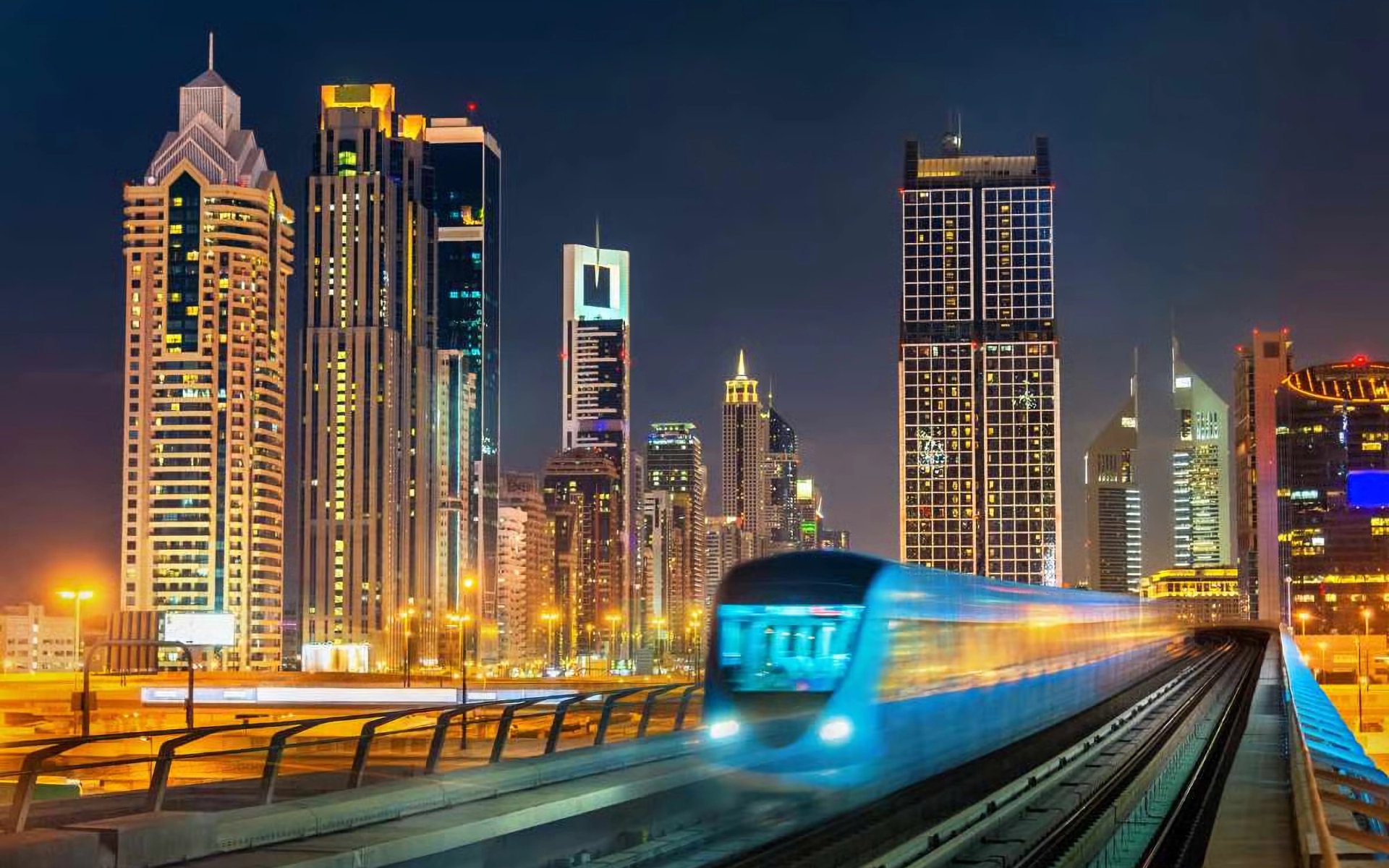
The Dubai Metro Blue Line is one of the clearest signs that Dubai understands growth needs mobility. The line will stretch 30 kilometres, include 14 stations, and connect districts expected to be home to more than one million residents, according to official planning.
For Dubai, this is not only a transport project. It is a productivity and livability project. Better rail connectivity reduces friction in daily life, supports real estate value in connected areas, and makes the city more usable for workers, families and businesses alike. The best business cities are not only places you can enter easily; they are places you can move through efficiently once you are there.
Planned completion: Ongoing multi-phase development
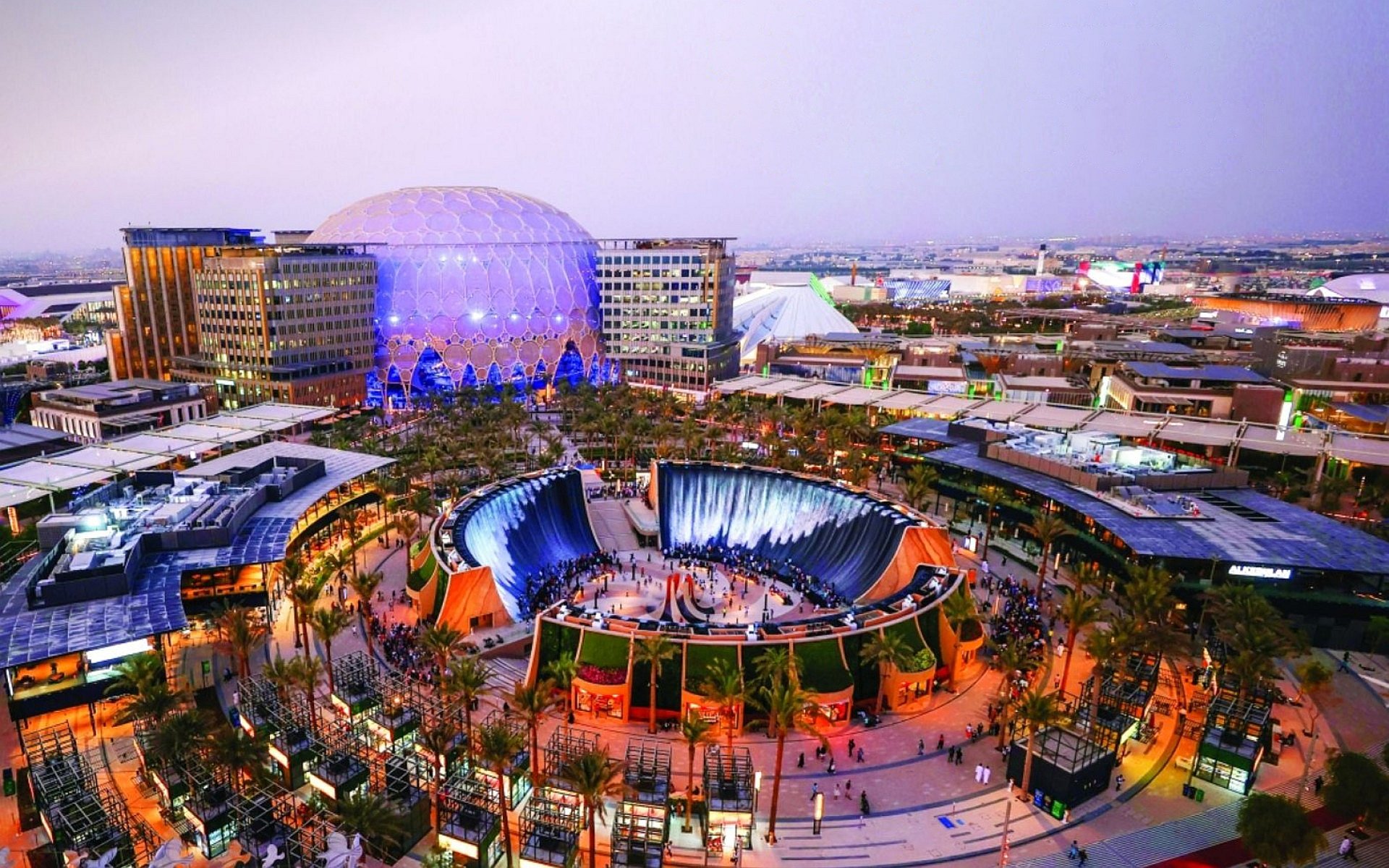
Expo City Dubai may prove to be one of the smartest legacy plays in the emirate’s modern history. Rather than leaving Expo 2020 as a symbolic achievement, Dubai has turned the site into a permanent district built around sustainability, innovation, mixed-use development and business activity. The master plan positions it as a long-term urban centre rather than a one-off event venue.
That matters because serious global cities are increasingly judged by how well they convert landmark moments into durable infrastructure. Expo City strengthens Dubai’s proposition as a city that thinks beyond spectacle. It turns a world event into an ongoing platform for business, events, residential life and innovation-led growth.
Phase 3 vision is targeted for 2031
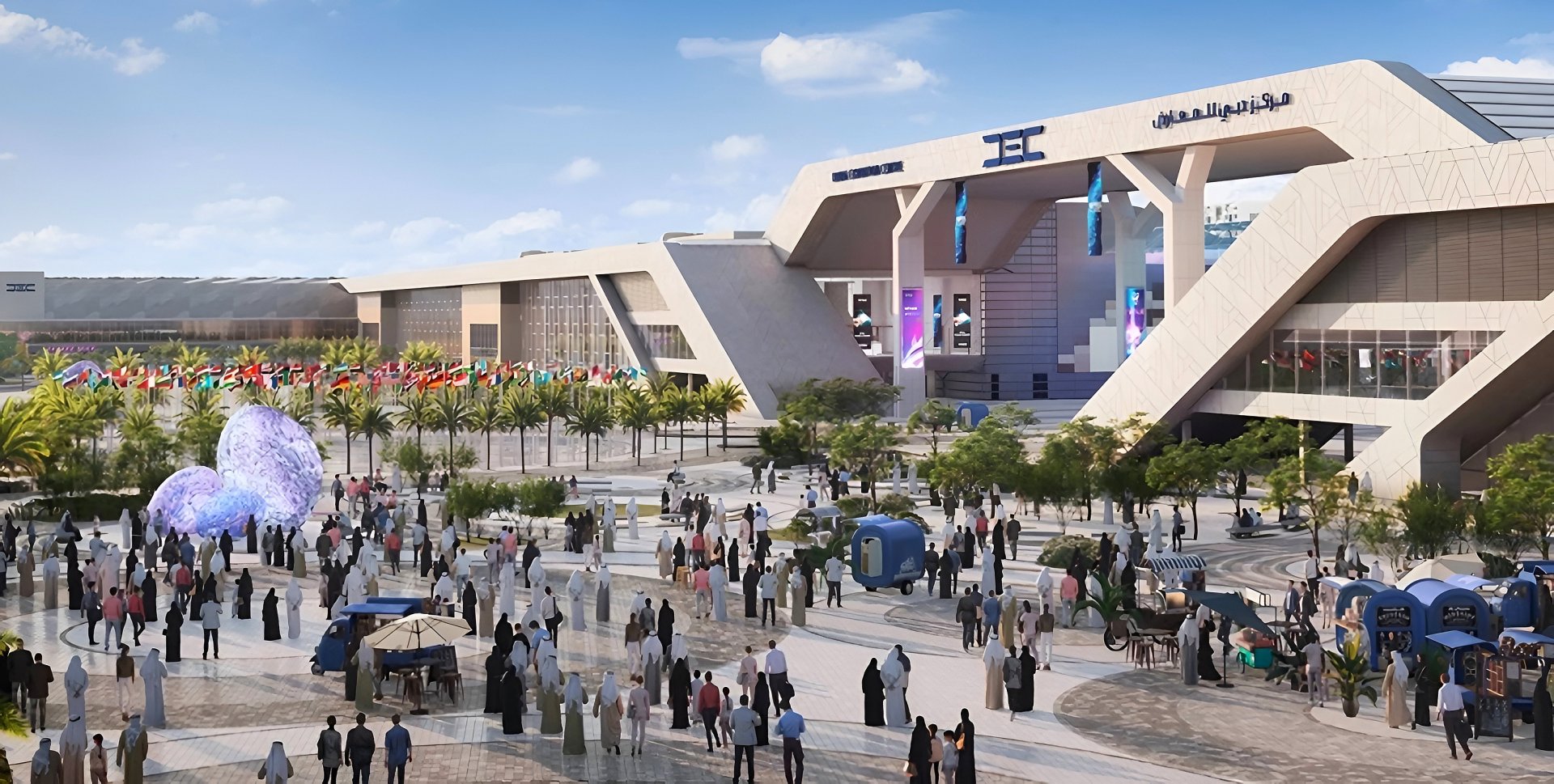
Within Expo City, the Dubai Exhibition Centre deserves its own place on this list. Dubai approved a AED10 billion master plan to expand the venue into what it says will be the largest indoor exhibition and events destination in the region.
That matters because events are not a side industry in Dubai; they are part of its economic architecture. A stronger exhibition platform reinforces the city’s role as a place where industries gather, partnerships are built, and international business communities meet in person. In a world increasingly shaped by digital work, Dubai is still betting big on the power of physical convening.
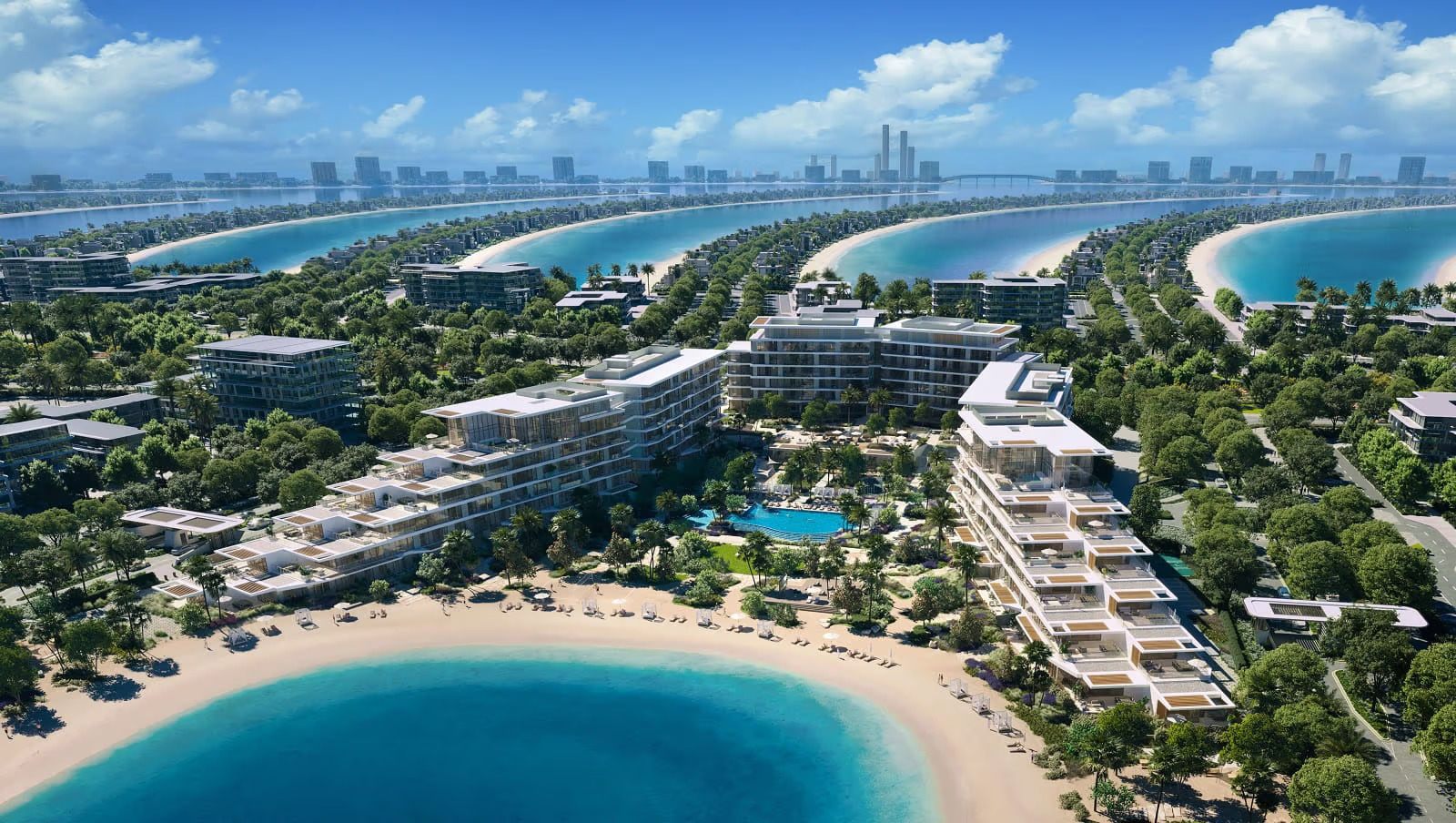
Ongoing multi-phase development: from late 2027 - broader phase 2028
Palm Jebel Ali is one of Dubai’s boldest waterfront bets, and one of the projects most likely to shape how the city expands physically in the years ahead. Dubai says the development spans 13.4 kilometres, includes 16 fronds and more than 90 kilometres of beachfront, making it far more than a luxury icon. It is a major new urban edge.
What makes Palm Jebel Ali strategically important is that it combines lifestyle appeal with city-building logic. It expands coastline, hospitality, premium residential inventory and tourism value all at once. For a city competing globally for affluent residents, investors and destination appeal, that combination is commercially powerful.
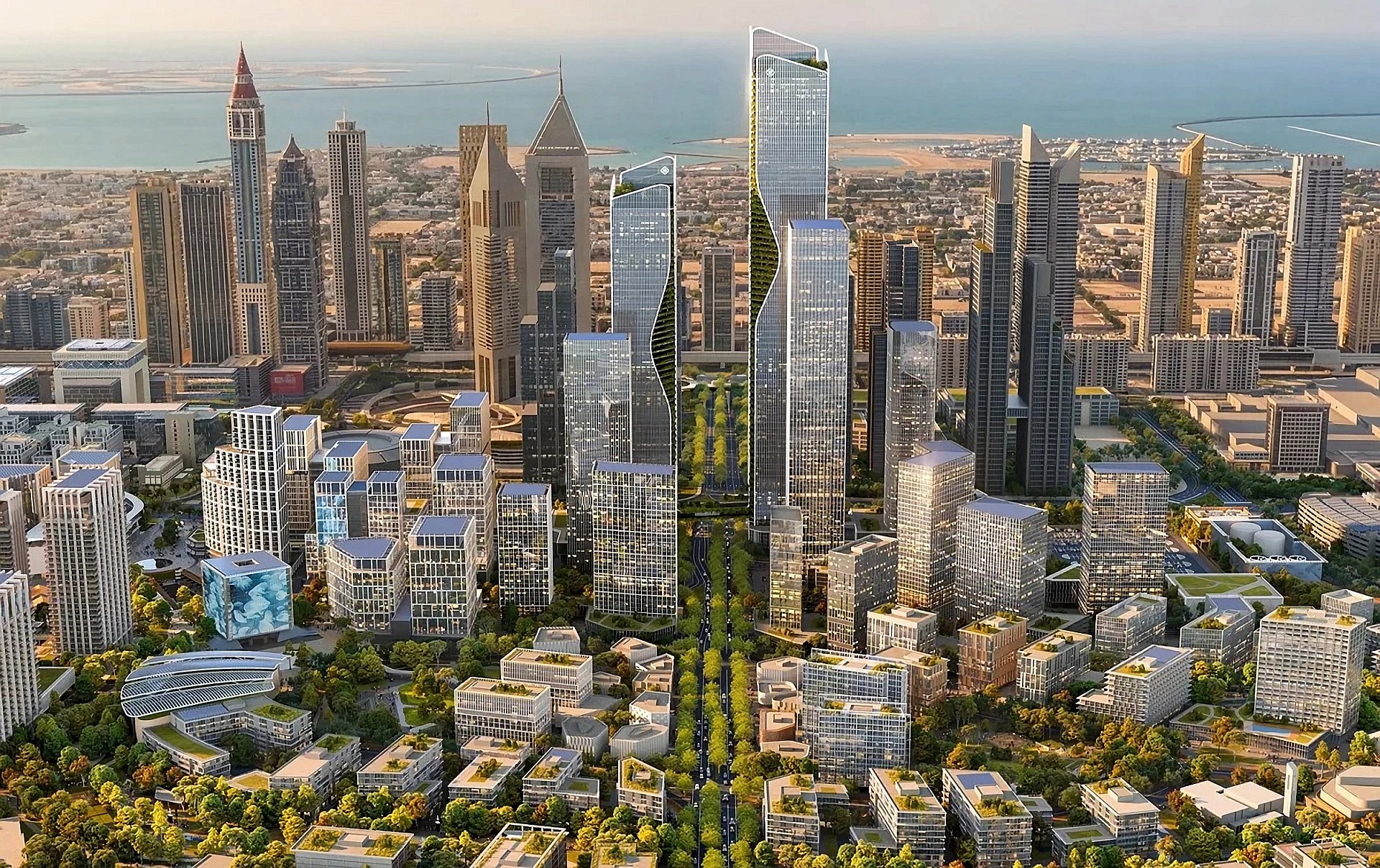
Long-term phased development through 2040
If Dubai wants to strengthen its position as a global business capital, the expansion of DIFC may prove just as important as any airport or metro line. The new DIFC Zabeel District, launched in 2026, is a landmark AED100 billion expansion of the emirate’s flagship financial centre, designed to add major new capacity for offices, mixed-use development and business activity.
This matters because Dubai’s ambition is not only to attract tourists and investors, but to deepen its role as a long-term base for finance, innovation and international companies. DIFC’s strong growth in active firms gives the project real economic substance, not just urban symbolism.
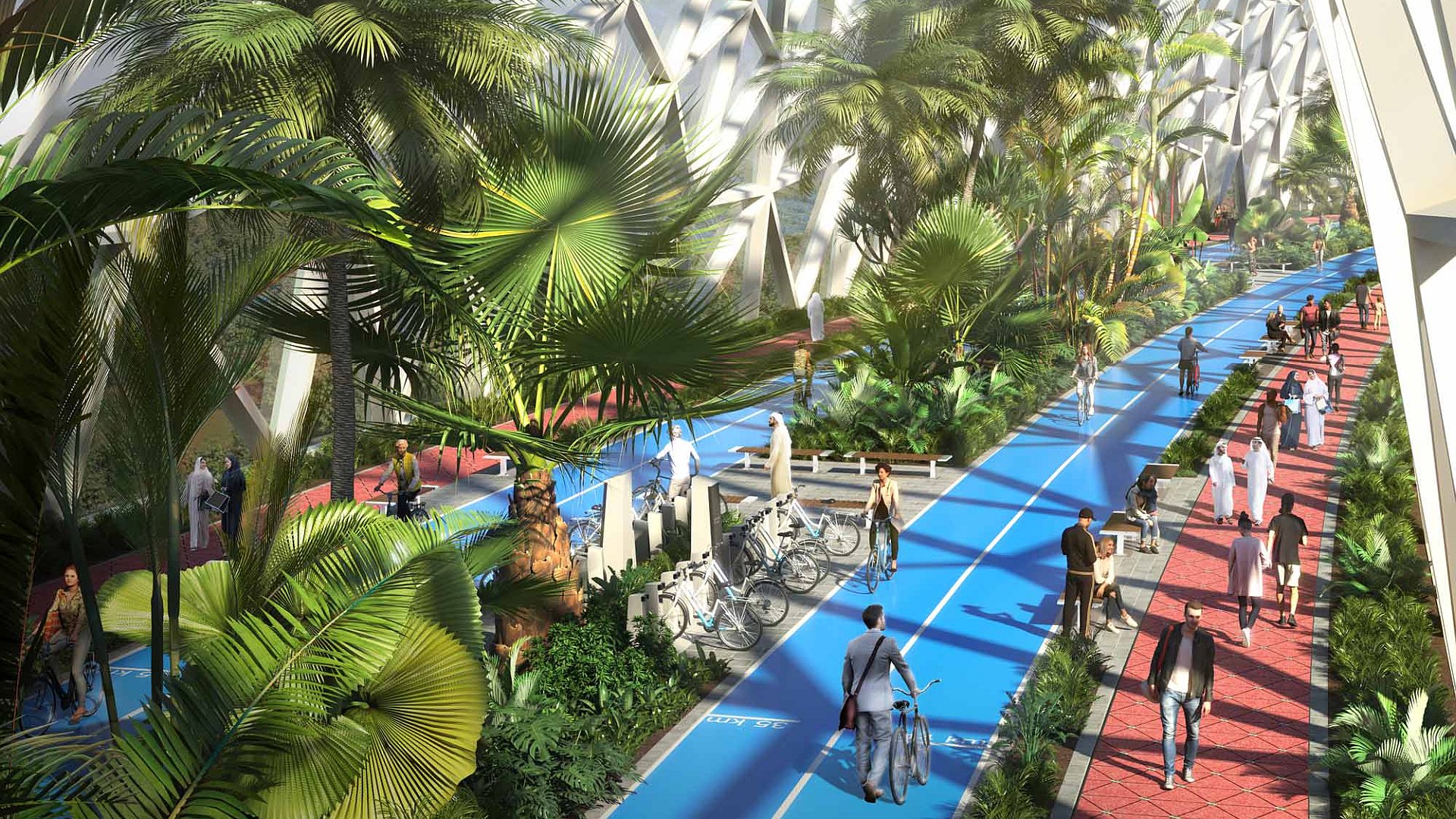
Best date to use: targeted around 2028
Dubai’s next transport bet is also a business bet. Announced in partnership with The Boring Company and the Roads and Transport Authority, Dubai Loop is designed to cut travel times in some of the city’s densest commercial areas through a high-speed underground transport system. Reuters reports the full project is expected to span 24 kilometres and cost around AED2.5 billion.
For Dubai, this matters because business cities do not compete only on skyline or branding. They compete on how efficiently people, talent and activity move through their most important districts. If delivered at pace, Dubai Loop could become one of the city’s most interesting productivity upgrades.
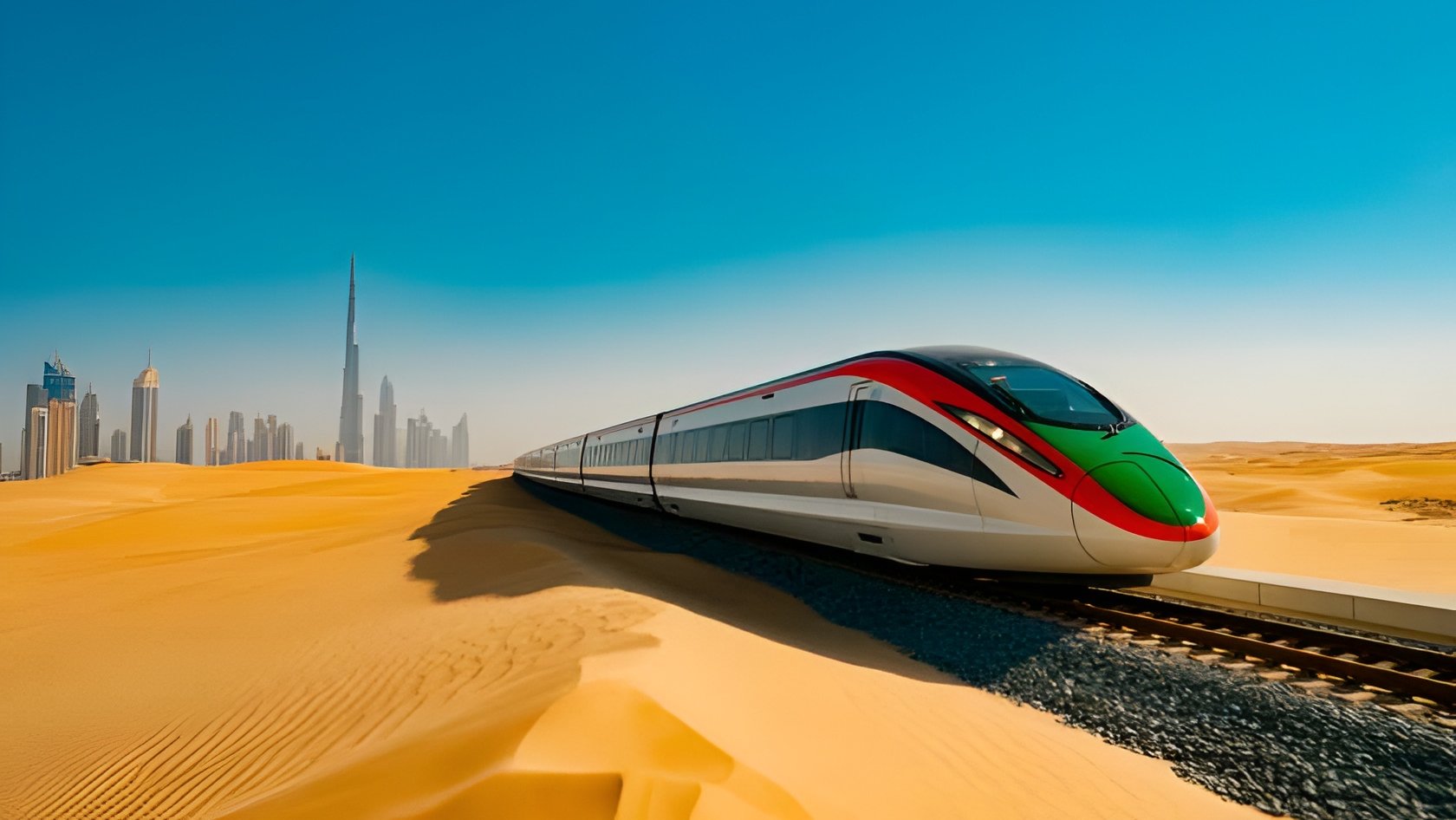
Best date to use: targeted around 2028
If completed at the scale promised, the Abu Dhabi–Dubai high-speed rail project could become one of the most strategically important infrastructure developments in the UAE. Announced by Etihad Rail, the line is designed to connect the country’s two main business capitals in just 30 minutes, reaching speeds of up to 350 km/h.
What makes the project so important is not only speed, but economic integration. A high-speed link between Abu Dhabi and Dubai would make it easier for talent, investors, executives and companies to operate across both emirates as part of one connected business corridor. In that sense, it is not just a rail project — it is a long-term competitiveness project for the UAE economy.
Expansion from 21 km to 105 km by 2040
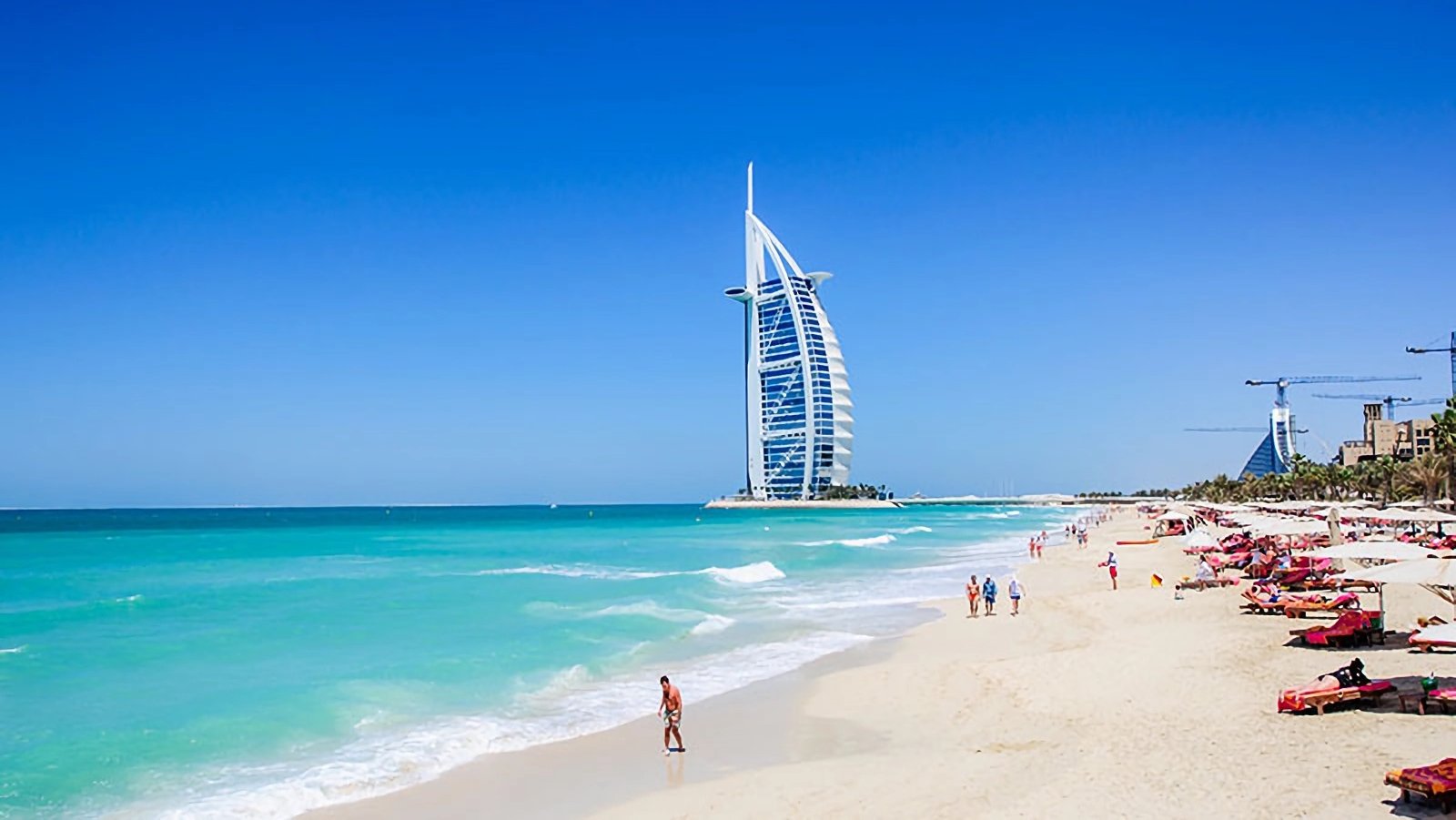
If Dubai wants to be one of the world’s best cities to live, work and invest in, it cannot rely only on skyline and infrastructure. It also needs great public space. That is what makes the Dubai Public Beaches Master Plan so important. The project aims to expand the emirate’s public beaches from 21 km to 105 km by 2040, while significantly upgrading services and facilities.
This is more than a tourism project. It is a quality-of-life investment that makes Dubai more attractive for residents, families, visitors and long-term talent. In a global competition for people as much as capital, better public beaches are not cosmetic — they are part of the city’s living proposition.
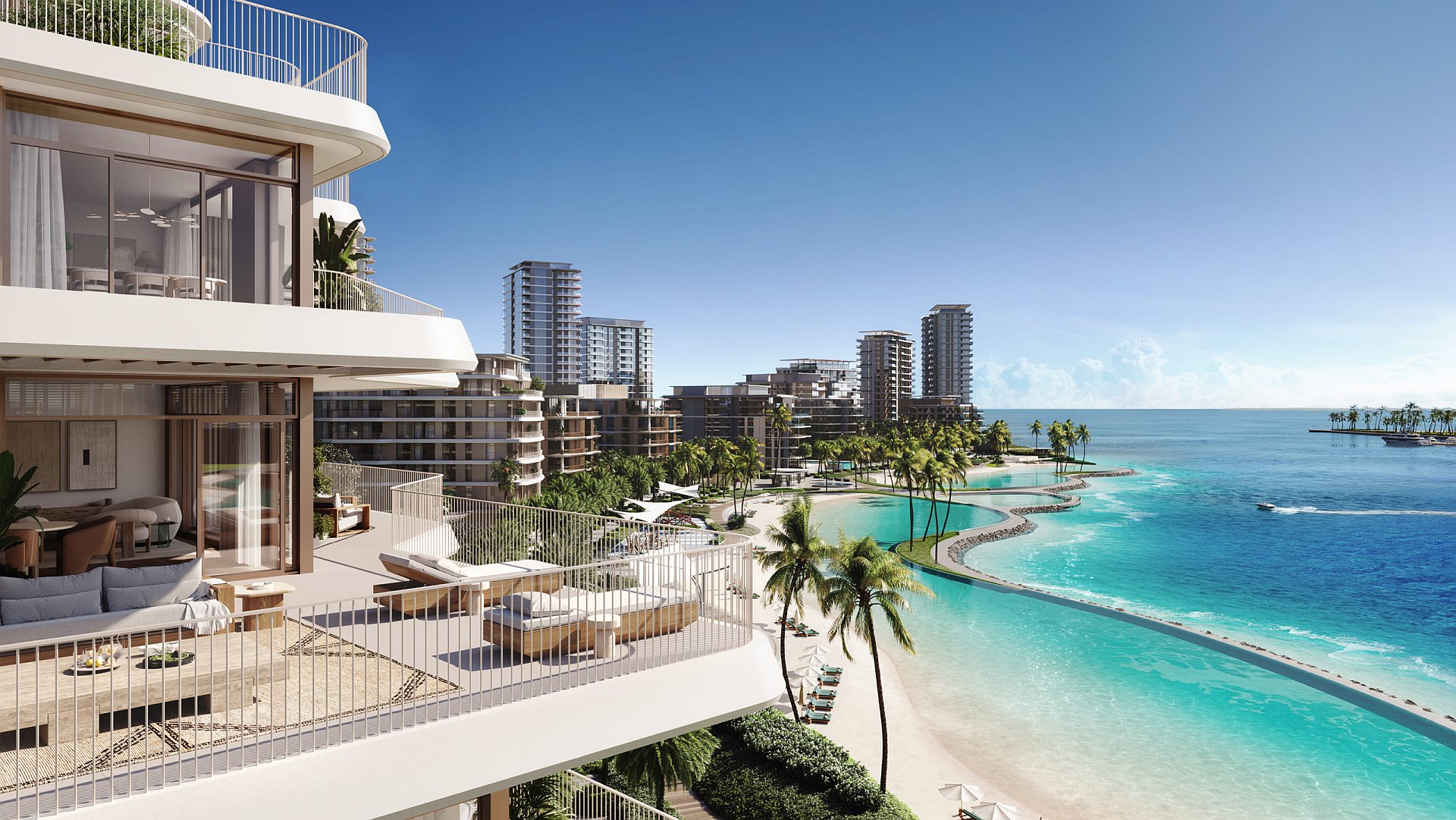
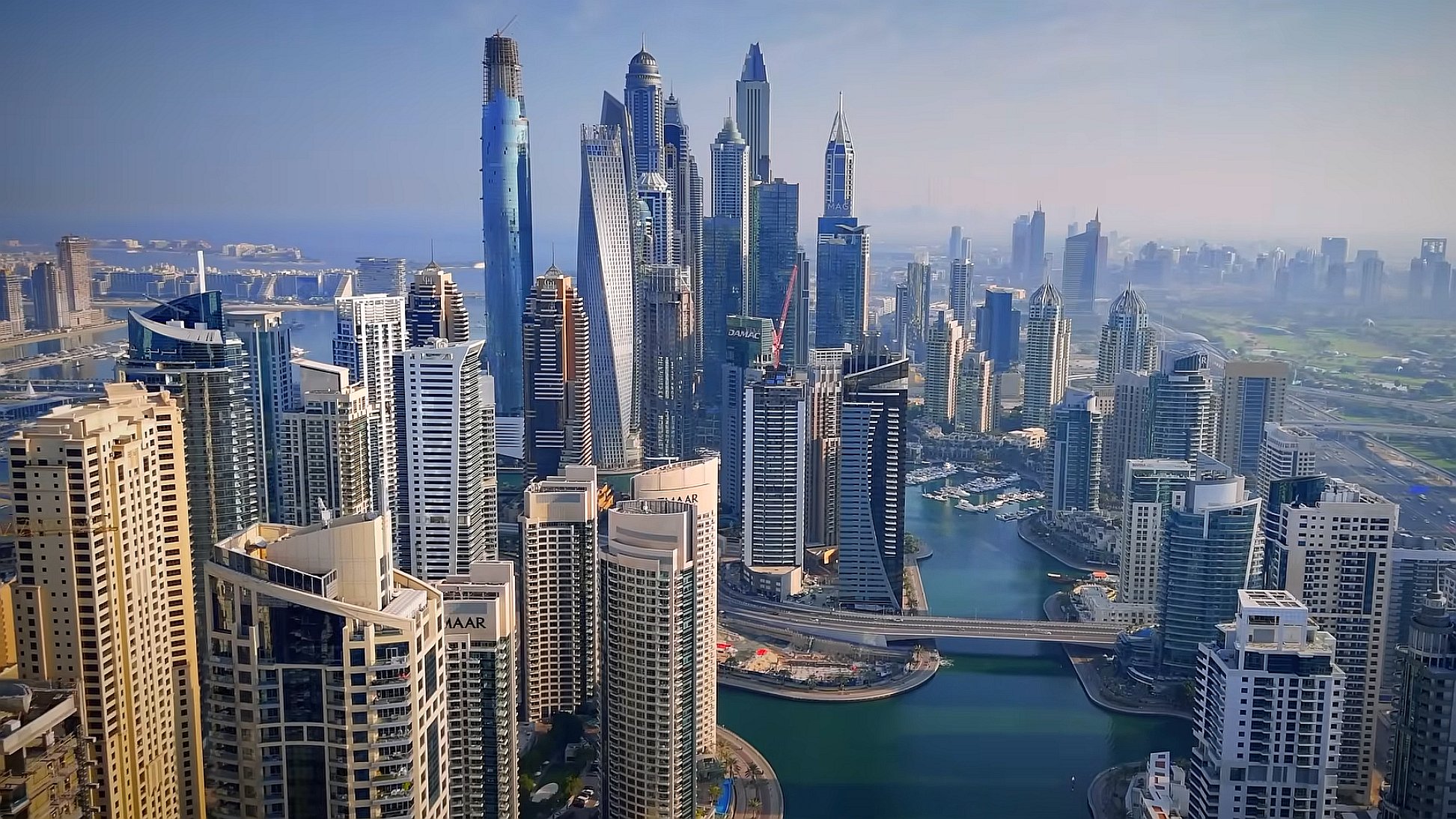
Dubai’s real estate story is bigger than any one tower or masterplan. The city’s expanding residential and waterfront developments are creating a broader growth corridor that supports population growth, investment inflows, tourism appeal and long-term urban expansion. From premium coastal projects to new high-density residential nodes, this wave of development is reinforcing Dubai’s position as a city where real estate remains central to both economic confidence and international demand.
In that sense, Dubai’s property market is not just a market — it is one of the emirate’s most important strategic platforms. It helps attract capital, anchors lifestyle-led migration, and gives investors access to one of the most internationally marketable urban products in the world.
There are hundreds of new and already completed projects that make Dubai one of the best places to live and invest:
That is why the phrase “best city to live, work and invest” is not just branding in Dubai’s case. It is increasingly being translated into transport systems, public realm upgrades, event infrastructure, wellness assets, environmental projects and large-scale economic zones. Whether every project lands exactly as planned remains to be seen. But the direction is unmistakable: Dubai is not just trying to grow bigger. It is trying to grow into a more complete global city.
That is what makes the emirate different. Its biggest projects are rarely isolated developments. They are usually part of a broader strategy to make the city more connected, more globally competitive and more attractive to talent and capital at the same time.

1. Al Maktoum International Airport expansion
Estimated traffic: 260 million passengers a year
If one project defines Dubai’s next era, it is the expansion of Al Maktoum International Airport. Approved in 2024, the new passenger terminal carries a stated investment of AED128 billion and is ultimately designed to handle 260 million passengers a year, positioning it to become the world’s largest airport by capacity when fully developed.
This is much bigger than an aviation upgrade. It is an economic engine designed to reinforce Dubai’s role as a global hub for business travel, tourism, trade and logistics. Airports at this scale do not just move passengers; they shape urban growth, job creation, commercial activity and real estate demand across entire regions of a city.
2. Dubai Metro Blue Line
The Dubai Metro Blue Line is one of the clearest signs that Dubai understands growth needs mobility. The line will stretch 30 kilometres, include 14 stations, and connect districts expected to be home to more than one million residents, according to official planning.
For Dubai, this is not only a transport project. It is a productivity and livability project. Better rail connectivity reduces friction in daily life, supports real estate value in connected areas, and makes the city more usable for workers, families and businesses alike. The best business cities are not only places you can enter easily; they are places you can move through efficiently once you are there.
3. Expo City Dubai
Expo City Dubai may prove to be one of the smartest legacy plays in the emirate’s modern history. Rather than leaving Expo 2020 as a symbolic achievement, Dubai has turned the site into a permanent district built around sustainability, innovation, mixed-use development and business activity. The master plan positions it as a long-term urban centre rather than a one-off event venue.
That matters because serious global cities are increasingly judged by how well they convert landmark moments into durable infrastructure. Expo City strengthens Dubai’s proposition as a city that thinks beyond spectacle. It turns a world event into an ongoing platform for business, events, residential life and innovation-led growth.
4. Dubai Exhibition Centre expansion
Within Expo City, the Dubai Exhibition Centre deserves its own place on this list. Dubai approved a AED10 billion master plan to expand the venue into what it says will be the largest indoor exhibition and events destination in the region.
That matters because events are not a side industry in Dubai; they are part of its economic architecture. A stronger exhibition platform reinforces the city’s role as a place where industries gather, partnerships are built, and international business communities meet in person. In a world increasingly shaped by digital work, Dubai is still betting big on the power of physical convening.
5. Palm Jebel Ali
Palm Jebel Ali is one of Dubai’s boldest waterfront bets, and one of the projects most likely to shape how the city expands physically in the years ahead. Dubai says the development spans 13.4 kilometres, includes 16 fronds and more than 90 kilometres of beachfront, making it far more than a luxury icon. It is a major new urban edge.
What makes Palm Jebel Ali strategically important is that it combines lifestyle appeal with city-building logic. It expands coastline, hospitality, premium residential inventory and tourism value all at once. For a city competing globally for affluent residents, investors and destination appeal, that combination is commercially powerful.
6. DIFC Zabeel District
If Dubai wants to strengthen its position as a global business capital, the expansion of DIFC may prove just as important as any airport or metro line. The new DIFC Zabeel District, launched in 2026, is a landmark AED100 billion expansion of the emirate’s flagship financial centre, designed to add major new capacity for offices, mixed-use development and business activity.
This matters because Dubai’s ambition is not only to attract tourists and investors, but to deepen its role as a long-term base for finance, innovation and international companies. DIFC’s strong growth in active firms gives the project real economic substance, not just urban symbolism.
7. The Loop
Dubai’s next transport bet is also a business bet. Announced in partnership with The Boring Company and the Roads and Transport Authority, Dubai Loop is designed to cut travel times in some of the city’s densest commercial areas through a high-speed underground transport system. Reuters reports the full project is expected to span 24 kilometres and cost around AED2.5 billion.
For Dubai, this matters because business cities do not compete only on skyline or branding. They compete on how efficiently people, talent and activity move through their most important districts. If delivered at pace, Dubai Loop could become one of the city’s most interesting productivity upgrades.
8. Abu Dhabi–Dubai High-Speed Rail
If completed at the scale promised, the Abu Dhabi–Dubai high-speed rail project could become one of the most strategically important infrastructure developments in the UAE. Announced by Etihad Rail, the line is designed to connect the country’s two main business capitals in just 30 minutes, reaching speeds of up to 350 km/h.
What makes the project so important is not only speed, but economic integration. A high-speed link between Abu Dhabi and Dubai would make it easier for talent, investors, executives and companies to operate across both emirates as part of one connected business corridor. In that sense, it is not just a rail project — it is a long-term competitiveness project for the UAE economy.
9. Dubai Public Beaches Master Plan
If Dubai wants to be one of the world’s best cities to live, work and invest in, it cannot rely only on skyline and infrastructure. It also needs great public space. That is what makes the Dubai Public Beaches Master Plan so important. The project aims to expand the emirate’s public beaches from 21 km to 105 km by 2040, while significantly upgrading services and facilities.
This is more than a tourism project. It is a quality-of-life investment that makes Dubai more attractive for residents, families, visitors and long-term talent. In a global competition for people as much as capital, better public beaches are not cosmetic — they are part of the city’s living proposition.
10. Dubai’s Next Residential and Waterfront Expansion
Dubai’s real estate story is bigger than any one tower or masterplan. The city’s expanding residential and waterfront developments are creating a broader growth corridor that supports population growth, investment inflows, tourism appeal and long-term urban expansion. From premium coastal projects to new high-density residential nodes, this wave of development is reinforcing Dubai’s position as a city where real estate remains central to both economic confidence and international demand.
In that sense, Dubai’s property market is not just a market — it is one of the emirate’s most important strategic platforms. It helps attract capital, anchors lifestyle-led migration, and gives investors access to one of the most internationally marketable urban products in the world.
There are hundreds of new and already completed projects that make Dubai one of the best places to live and invest:
- Dubai Marina / upgraded mature districts
- New residential towers
- Palm Jebel Ali
- Dubai Islands
- New waterfront communities
- New master-planned coastal zones
- Dubai Walk and the Loop
Why these projects matter together
Any one of these developments would be significant on its own. Together, they tell a much bigger story. Dubai is trying to build a city that is easier to reach, easier to move through, more attractive to global business, more pleasant to live in and more defensible as a long-term investment destination. That is a much more ambitious goal than simply building new landmarks.That is why the phrase “best city to live, work and invest” is not just branding in Dubai’s case. It is increasingly being translated into transport systems, public realm upgrades, event infrastructure, wellness assets, environmental projects and large-scale economic zones. Whether every project lands exactly as planned remains to be seen. But the direction is unmistakable: Dubai is not just trying to grow bigger. It is trying to grow into a more complete global city.


 In a world that’s changing really quickly, the only strategy that is guaranteed to fail is not taking risks
Mark Zuckerberg
CEO Facebook(Meta)
CEO Facebook(Meta)