
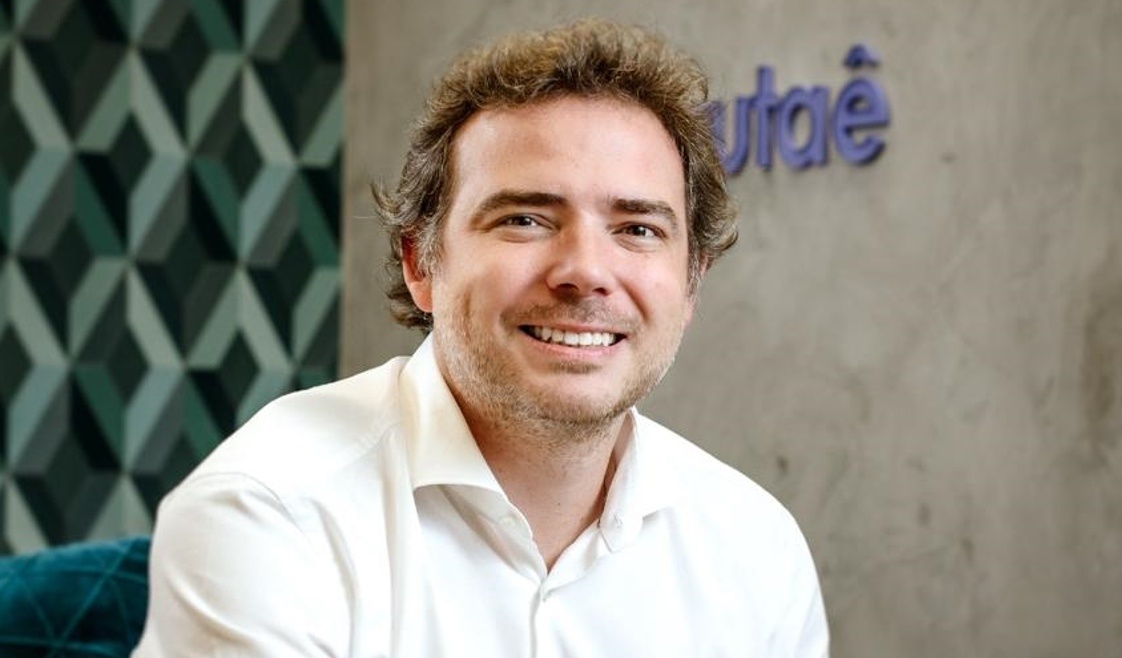
Philipp Reisinger on the Hiring Mistake That Can Cost Companies Millions
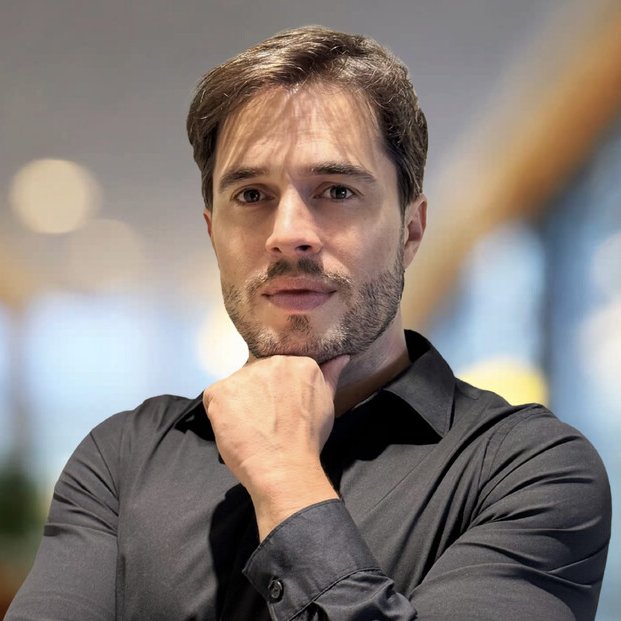
Philipp Reisinger, founder and CEO of FIND HR, explains why the wrong executive hire can cost companies millions — and why a growing number of CEOs are using AI to make better leadership decisions.
“The real cost of a bad hire is not the severance package. It is the time, energy and trust that are lost.”
That is the warning from Philipp Reisinger, founder and CEO of FIND HR, a specialist executive search firm focused on placing senior leaders in startups and major corporations. In an interview with Bruno Perin for Empreendedor, Reisinger lays out a sharp view of one of the most underestimated risks in business: choosing the wrong person for a critical leadership role.
At a time when companies are under pressure to scale, adapt and lead through uncertainty, executive hiring is no longer just a talent issue. It is a strategic decision with long-term consequences. And according to Reisinger, the companies that still rely on instinct, reputation or polished résumés alone are exposing themselves to costly mistakes.
Over more than a decade, Reisinger has built a front-row view of how leadership choices shape the trajectory of high-growth businesses. Through FIND HR, he has helped place hundreds of executives across fast-scaling companies and established corporations, giving him rare visibility into what separates appointments that unlock growth from those that quietly derail it.
A graduate of MIT, Reisinger is also at the forefront of a deeper shift in the market: the use of artificial intelligence in executive hiring. For him, the role of AI is not to replace human judgment, but to sharpen it - helping CEOs identify not just proven operators, but the leaders capable of transforming what comes next.
“Many companies hire to preserve the status quo,” he says. “What they actually need is someone capable of breaking patterns and opening up new paths.”

In the photo: Philipp Reisinger, Founder and CEO of FIND HR
“Past success guarantees nothing,” he says. “When a role calls for an architect of the future and the company hires an administrator of the past, the strategy is compromised.”
It is a distinction that sounds subtle, but in practice it can define the success or failure of an entire growth cycle. The administrator is focused on optimizing the present. The architect is focused on building what does not yet exist. For companies navigating expansion, reinvention or market disruption, that difference can translate into millions in lost momentum and missed opportunity.
“The future is not built only on what someone has already done,” Reisinger adds. “It is built on what they are capable of imagining and deciding next.”
“It is not about severance,” Reisinger says. “The real cost is strategic delay, loss of team motivation, and the opportunities that disappear while the wrong person is in the seat.”
A poorly matched executive can slow growth, weaken culture, distort priorities and erode a company’s competitive position. According to Reisinger, the true impact of a bad senior hire can reach 10 to 20 times the person’s annual salary - a figure that reflects not just direct cost, but the ripple effects across decision-making, execution and confidence.
“More than money, what companies lose is time, energy and trust,” he says. “That is why hiring someone aligned with future goals is not optional. It is a matter of business survival.”

In the photo: Philipp Reisinger, Founder and CEO of FIND HR
For decades, senior hiring was driven largely by intuition, network strength and personal assessment. Reisinger believes that era is ending.
“The tool alone is not enough,” he says. “The real advantage comes from turning data into better decisions.”
At FIND HR, that means combining performance data, behavioural patterns and market indicators through a proprietary framework designed to assess the likely impact of a hire before the decision is made. In Reisinger’s view, AI offers something traditional recruitment often cannot: the ability to detect patterns and signals that intuition alone misses.
“AI does not replace human judgment — it amplifies it,” he says. “It gives us a more precise way to identify leaders who are aligned with the present and ready for the future.”
The result is not just a more efficient process, but a more strategic one. In a market where leadership quality increasingly defines whether companies scale or stall, better hiring intelligence becomes a competitive asset.
Reisinger argues that some of the world’s most advanced companies have already understood this. Businesses such as Google, Intel and Adobe, he says, recognize that the difference between simply adopting technology and being transformed by it depends largely on the people leading that transformation.
Yet many organizations are still hiring as though the old rules apply — leaning heavily on network referrals, legacy credentials and résumé optics.
“The most forward-looking leaders are using data and AI to turn every C-level hire into a sustainable competitive advantage,” he says.
That is the quiet revolution now reshaping executive hiring: not a replacement of human decision-making, but an upgrade of it.
And it leaves one final question hanging over every boardroom and CEO office: how many millions is a company willing to lose by hiring the wrong person?
That is the warning from Philipp Reisinger, founder and CEO of FIND HR, a specialist executive search firm focused on placing senior leaders in startups and major corporations. In an interview with Bruno Perin for Empreendedor, Reisinger lays out a sharp view of one of the most underestimated risks in business: choosing the wrong person for a critical leadership role.

Over more than a decade, Reisinger has built a front-row view of how leadership choices shape the trajectory of high-growth businesses. Through FIND HR, he has helped place hundreds of executives across fast-scaling companies and established corporations, giving him rare visibility into what separates appointments that unlock growth from those that quietly derail it.
A graduate of MIT, Reisinger is also at the forefront of a deeper shift in the market: the use of artificial intelligence in executive hiring. For him, the role of AI is not to replace human judgment, but to sharpen it - helping CEOs identify not just proven operators, but the leaders capable of transforming what comes next.
“Many companies hire to preserve the status quo,” he says. “What they actually need is someone capable of breaking patterns and opening up new paths.”
The architect or the administrator?
In Reisinger’s view, the most common hiring error is not a shortage of impressive candidates. It is a failure to understand what the future of the role actually requires.“Past success guarantees nothing,” he says. “When a role calls for an architect of the future and the company hires an administrator of the past, the strategy is compromised.”
It is a distinction that sounds subtle, but in practice it can define the success or failure of an entire growth cycle. The administrator is focused on optimizing the present. The architect is focused on building what does not yet exist. For companies navigating expansion, reinvention or market disruption, that difference can translate into millions in lost momentum and missed opportunity.
“The future is not built only on what someone has already done,” Reisinger adds. “It is built on what they are capable of imagining and deciding next.”
The invisible cost of getting it wrong
A wrong hire at C-level is rarely just a hiring mistake. It is often a strategic setback.“It is not about severance,” Reisinger says. “The real cost is strategic delay, loss of team motivation, and the opportunities that disappear while the wrong person is in the seat.”
A poorly matched executive can slow growth, weaken culture, distort priorities and erode a company’s competitive position. According to Reisinger, the true impact of a bad senior hire can reach 10 to 20 times the person’s annual salary - a figure that reflects not just direct cost, but the ripple effects across decision-making, execution and confidence.
“More than money, what companies lose is time, energy and trust,” he says. “That is why hiring someone aligned with future goals is not optional. It is a matter of business survival.”
Why AI is changing executive hiring
For decades, senior hiring was driven largely by intuition, network strength and personal assessment. Reisinger believes that era is ending.
“The tool alone is not enough,” he says. “The real advantage comes from turning data into better decisions.”
At FIND HR, that means combining performance data, behavioural patterns and market indicators through a proprietary framework designed to assess the likely impact of a hire before the decision is made. In Reisinger’s view, AI offers something traditional recruitment often cannot: the ability to detect patterns and signals that intuition alone misses.
“AI does not replace human judgment — it amplifies it,” he says. “It gives us a more precise way to identify leaders who are aligned with the present and ready for the future.”
The result is not just a more efficient process, but a more strategic one. In a market where leadership quality increasingly defines whether companies scale or stall, better hiring intelligence becomes a competitive asset.
A quiet revolution at the top
Reisinger argues that some of the world’s most advanced companies have already understood this. Businesses such as Google, Intel and Adobe, he says, recognize that the difference between simply adopting technology and being transformed by it depends largely on the people leading that transformation.
Yet many organizations are still hiring as though the old rules apply — leaning heavily on network referrals, legacy credentials and résumé optics.
“The most forward-looking leaders are using data and AI to turn every C-level hire into a sustainable competitive advantage,” he says.
That is the quiet revolution now reshaping executive hiring: not a replacement of human decision-making, but an upgrade of it.
And it leaves one final question hanging over every boardroom and CEO office: how many millions is a company willing to lose by hiring the wrong person?
Editorial note: This article is published in English by MyBusiness.com with the authorization of our sister media platform, Empreendedor.com.


 An idea can only become a reality once it is broken down into organized, actionable elements
Scott Belsky
American Entrepreneur
American Entrepreneur